

Water Activity in Meat
MCivilizations have preserved meat for thousands of years to provide a long-term protein source that won’t spoil during storage or travel.The preservation of meat through curing dates to antiquity, often discovered through accidental mis-handling of meat. The most common methods used to cure meat include salting, brining, smoking, and drying. All these preservation methods rely on the control of water activity.
In fact, the legacy of Shelf stable meats and water activity go hand in hand. Ancient civilizations did not have an exhaustive understanding of water activity or why these preservation steps worked, but instead discovered them through trial and error. In so doing, they discovered the fundamental truth that still alludes many processors today, that its water activity, not moisture content that makes cured meats shelf stable.
Water activity in meat and microbial safety
There is an ideal internal water activity for every microorganism, they need to maintain that water activity to reproduce and grow. Water activity below 0.87 aw prevents the growth of all pathogenic bacteria, while water activity below 0.70 aw prevents the growth of common spoilage yeasts and molds, which represents the practical growth limit.
Other intrinsic factors such as pH impact microbial growth as well. A shelf-stable meat product must have a water activity below 0.86 aw or a pH below 4.2 to prevent pathogenic bacteria from growing while the product sits on the shelf.
Shelf-stable meat with a water activity higher than 0.70 aw but lower than 0.86 aw remains shelf stable, but it still supports the growth of mold and yeast. To prevent mold growth, manufacturers must either reduce the water activity below 0.70 aw or use other interventions, such as a preservative system or vacuum packaging.
Water Activity in Meat and stability
The water activity of intermediate moisture and dry shelf stable meat will typically be less than 0.70 aw, indicating that microbial growth is not likely to occur. However, shelf stable meats in this range do not have unlimited shelf life. So what other modes of failure are likely to occur to end shelf life. For meat products with a pH Measurement and water activity in the 0.40-0.70 aw range, lipid oxidation, which leads to the off odors and flavors associated with rancidity is a strong candidate because reactions rates are at a maximum.
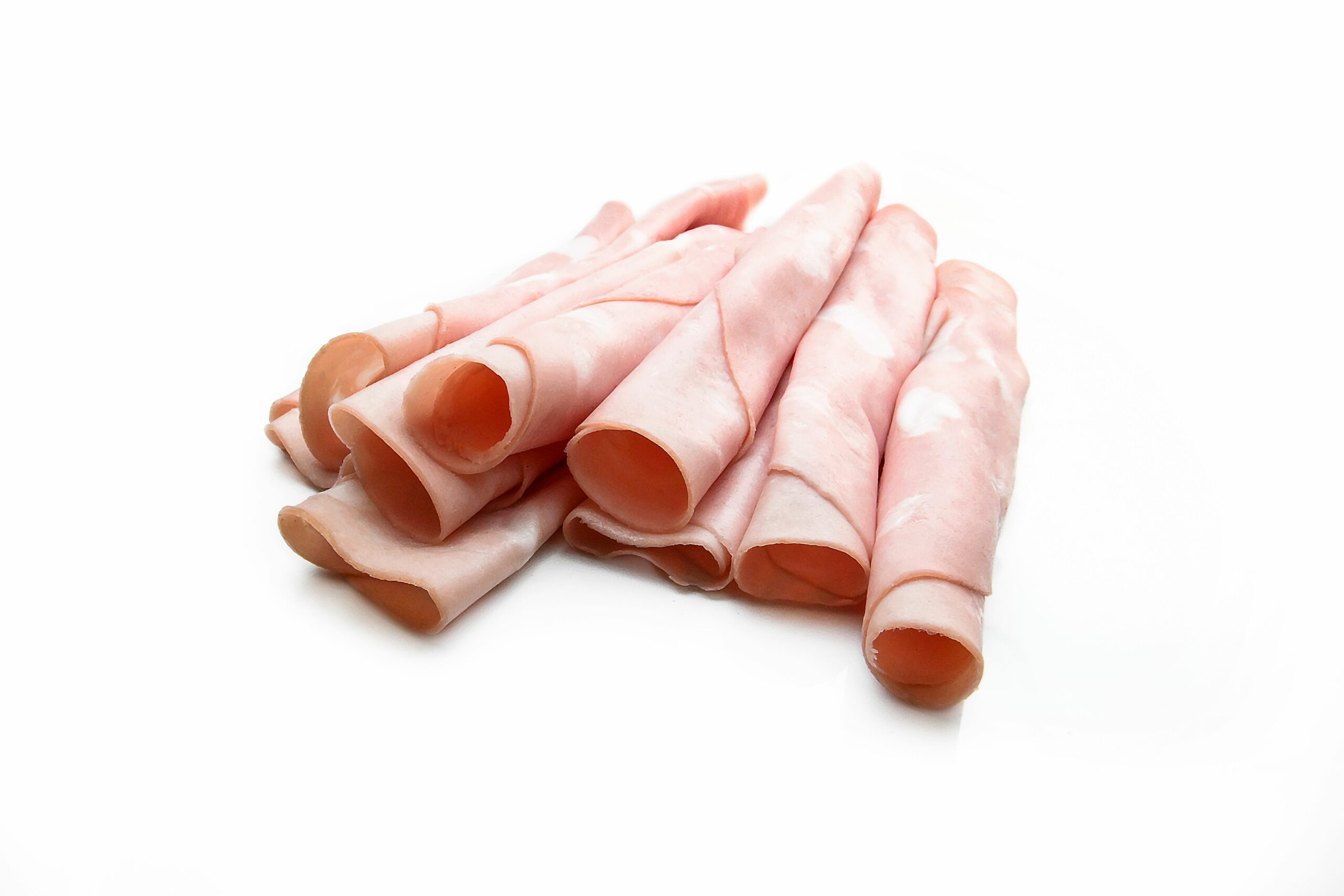
Each type of shelf-stable meat requires a specific mouthfeel and texture. Consumers consider products undesirable when they do not meet these expected physical characteristics. Products that should have a firmer texture require a lower water activity, while products that should have a softer texture require a higher water activity. If manufacturers process either type to the wrong water activity, the products will not achieve the desired characteristics and consumers will reject them.
The most important specification: water activity in meat products
For shelf stable meat, setting an ideal water activity specification is a critical step in formulating for safety and quality. Manufacturers can set the specification to prevent microbial proliferation, minimize chemical reactions, and achieve the desired textural properties. They can determine the ideal water activity based on the most likely mode of failure, such as texture changes in low-water-activity shelf-stable meat, chemical degradation in semi-moist shelf-stable meat, and microbial growth in moist shelf-stable meat. Once they determine the ideal water activity, they can optimize processing and formulation to achieve that target while maximizing revenue by avoiding unnecessary overdrying.
“The careful monitoring of the water activity of shelf stable meat during production can reduce energy inputs and prevent undesirable weight loss due to processing to lower than ideal water activities. This will reduce ener¬gy waste while maximizing revenue. In summary, establishing an ideal water activity specification, formu¬lating to meet that specification, and monitoring production with frequent water activity testing will ensure a safe, quality product with an optimal shelf life and maximum revenue. In short, the success of shelf stable meat throughout history is directly tied to a legacy of water activity control.”

Dr. Brady Carter
World-renowned specialist in water activity


